How The Smoothie Diet 21 Day Program Compares to Other Weight Loss Plans in 2026
If you are looking at the smoothie diet vs other plans in 2026, you are probably dealing with the same reality I hear from clients and readers every day: most weight loss plans sound good on paper, but life is messy. Schedules change. Cravings show up at the worst times. Some plans assume you have unlimited meal prep time, perfect sleep, and a stomach that never argues back.
That is where the Smoothie Diet 21 day program gets attention. Not because smoothies are magic, but because the structure is simpler, the start is more immediate, and the “what do I eat today?” question gets answered for you.
Below, I compare what people typically want from a program in 2026, how the 21 day smoothie approach generally fits those needs, and where it can fall short compared with other popular styles of weight loss.
What people really want from a weight loss plan in 2026
Most weight loss programs, regardless of the brand, end up being judged by a few practical outcomes. People want progress without constant decision fatigue, results they can measure, and a plan that does not feel like punishment.
From my experience, these are the issues that make or break adherence:
- Consistency: Can you follow it on a chaotic week?
- Satiety: Are you satisfied enough to avoid binge cycles?
- Simplicity: Do you need a spreadsheet, or can you manage with a shopping list and a blender?
- Energy and mood: Does the plan leave you sluggish or constantly hungry?
- Sustainability: When the plan ends, can you keep going without regaining?
The reason the 21 day smoothie diet comparison comes up so often is that it offers a clear container around those needs. Other plans can be more flexible, but they also tend to ask more of you day to day.
The Smoothie Diet 21 day program: how it tends to work
The core idea behind the Smoothie Diet 21 day program is that you replace a portion of your regular meals with smoothies for a focused period. In practice, that usually means:
- fewer complex meals to plan
- a more controlled intake window
- less time deciding what to eat
For many people, that “less thinking” piece matters as much as the nutrition itself. If you have ever started a diet, then stalled because you could not keep track of portion sizes, a structured smoothie day can feel like relief.
A lived-in example of the difference structure makes
I remember working with someone who was doing “healthy eating” on her own. She would eat well for a few days, then fall apart when she had to cook after work. She was not lacking knowledge, she was lacking bandwidth. When she tried a smoothie-based structure for 21 days, she did not suddenly become a disciplined person. She simply stopped negotiating with herself at dinner time.
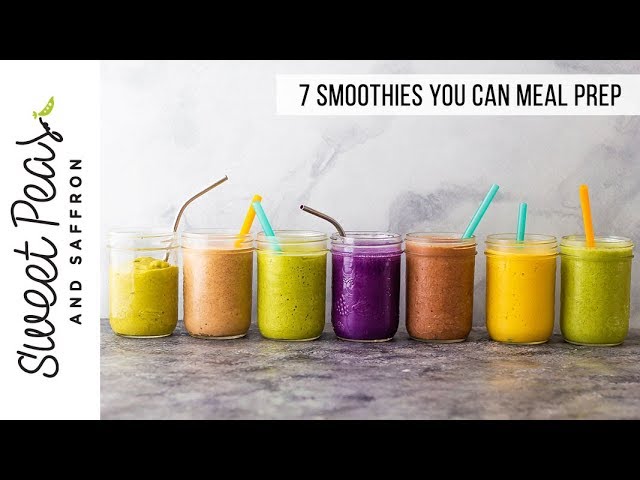
That is the main benefit I see with the smoothie approach: it replaces the mental bargaining that often causes weight loss plans to unravel.
Still, smoothies are not automatically “easy mode.” You have to drink enough of the right kinds of calories, and the timing matters. If a plan has you skipping too many meals or building smoothies that do not keep you full, the day starts to feel like a constant test.
Smoothie diet vs other plans: the real trade-offs
When people ask for the best weight loss programs 2026, they usually mean the best combination of results, comfort, and practicality. Here is how a 21 day smoothie approach often compares to other common strategies.
Compared with calorie counting or macro tracking
Calorie counting can work well, but it requires ongoing accuracy. In 2026, the tools are easier than ever, but accuracy still depends on you knowing serving sizes and logging consistently. A smoothie-based program reduces the daily measurement burden. You are still making choices, but they are more standardized.
Where smoothies often win: less tracking stress, fewer surprise portions.
Where they may lose: if you struggle with hunger between smoothies, you may feel like you are “under-eating,” especially early on.Compared with meal prep focused plans
Meal prep plans typically ask you to cook batches of meals and stick to portioned servings. That can be great if you enjoy cooking and have consistent storage space. For people who hate meal prep, the plan becomes another chore.
A 21 day smoothie structure can be a midpoint for those folks. You still shop and prep, but you usually spend less time cooking and more time blending.
Where smoothies often win: less cooking time, fewer utensils, faster “ready-to-go” meals.
Where they may lose: variety can get boring, and boredom is a real adherence risk.Compared with low-carb or specific diet frameworks
Low-carb or specific food frameworks can be effective, but they often require a tighter relationship with food rules. Some people thrive. Others feel constrained and end up craving what they cannot have.
Smoothie programs vary based on their ingredient choices, but the biggest difference is how the plan handles meals. Smoothies can be adapted to fit many preferences, while strict food rules can feel harder to maintain.
Where smoothies often win: flexibility around meals because blending can be adjusted.
Where they may lose: if the smoothies are not built to support stable energy, you might feel snacky later.Compared with “no plan” approaches
This is the one I see most often. People try to do weight loss by intuition. They cut back “most days,” then compensate on others. It is not a moral failing, it is a predictable pattern.
A 21 day program gives you a boundary and a timeline. The end date matters, because it reduces the fear that you are “starting forever.”
Where smoothies often win: clearer structure, reduced decision fatigue.
Where they may lose: if you treat the program as temporary discipline only, the results can fade after day 21.The smoothie diet benefits people notice most, and when they do not
The smoothie diet benefits people report are usually practical, not dramatic. It tends to look like this in real life:
- Easier routine: fewer meals to plan, fewer missed days
- Less hunger noise: some people feel calmer around food once meals are structured
- Portion control without counting: smoothies can make “enough” more consistent
- Fewer impulse decisions: when the plan is pre-defined, cravings have less room to steer the day
- A clearer reset window: 21 days can help break a longer cycle of inconsistent eating
But I want to be honest about the edge cases, because this is where smoothies can disappoint.
Who should be cautious
A smoothie-only or heavy smoothie plan is not for everyone. In 2026, more people have medical conditions and medications that affect blood sugar, appetite, or digestion. If you have diabetes, a history of disordered eating, or significant gastrointestinal issues, you need personal guidance rather than guessing.
Even without those conditions, smoothies can be challenging if you: - do not chew much or you dislike thick textures - have a busy schedule that makes it hard to drink at consistent times - try to “save calories” by making smoothies too small or too thin
In those cases, hunger comes back fast, and the diet stops feeling like support and starts feeling like a fight.
The post-21 reality
The most important comparison point is not only what happens during the 21 days. It is what happens after.
Many people regain because they go back to the same routines that caused weight gain in the first place. A smoother transition plan matters, and the best programs usually help you build habits, not just a short-term restriction phase.
If the 21 day smoothie period is treated as the whole solution, results often plateau. If it becomes the first step in a longer habit upgrade, the weight loss can hold better.
Choosing between the Smoothie Diet 21 day program and other options
If your priority is a straightforward structure that reduces daily friction, the Smoothie Diet 21 day program is worth serious consideration in 2026. It tends to help people who struggle with planning, portioning, or consistent meal decisions.
If your priority is flexible meal choice and you enjoy tracking, calorie or macro-based plans might fit better. If your priority is cooking and customizing, meal prep systems can be the better match. If your priority is specific food frameworks, low-carb or rule-based diets can feel more aligned.
Here is a practical way to decide, based on what you already know about your behavior:
- If you repeatedly fall off because you cannot decide what to eat, smoothies likely reduce the biggest failure point.
- If you repeatedly fall off because you over-snack late at night, you need a plan that addresses timing, not just meal composition.
- If you repeatedly fall off because you get bored, you may need a smoothie routine that includes enough variety to keep you engaged.
Ultimately, the best 21 day smoothie diet comparison is not about which The Smoothie Diet reviews plan is “best” in theory. It is about which plan helps you follow through long enough to build momentum, and then helps you transition without losing the structure that got you there.
If you have been looking for smoothie diet vs other plans answers that respect real schedules and real cravings, the 21 day format offers something many diets do not: a defined, manageable window where you can focus, reset, and learn what your body does when food decisions are simplified.